Best Event Travel Options: The Definitive Guide to Mobility & Logistics
Complex logistical constraints, dynamic pricing volatility, and strict temporal synchronization govern the architecture of modern experiential mobility. Designing best event travel options requires moving past basic ticket procurement and standard route planning to evaluate the intricate mechanics of multimodal transport integration, capacity compression, venue accessibility architecture, and corporate duty-of-care frameworks. Major global happenings ranging from international sports championships and high-stakes trade conventions to massive cultural festivals exert profound gravitational pulls on regional infrastructure, compressing transit capacities and driving accommodation pricing upward well before the opening gate.
Navigating this competitive environment demands an analytical understanding of the structural dependencies that shape large-scale public attendance. From securing early allocations on high-speed rail corridors to coordinating executive chauffeured fleets or managing autonomous rideshare zones in dense urban cores, participants and coordinators must master advanced transit orchestration. Treating transit as an afterthought routinely results in gridlock exposure, missed admission windows, and severe financial friction.
This analysis establishes a definitive reference for evaluating, selecting, and executing optimal mobility strategies for major gatherings. By unpacking demand-compression models, transit modal trade-offs, risk mitigation frameworks, and operational governance protocols, this inquiry provides a comprehensive baseline for independent travelers, corporate planners, and logistics administrators navigating event-driven mobility.
Understanding “best event travel options.”

The phrase best event travel options is frequently oversimplified by consumer travel portals and automated itinerary applications that reduce complex logistical choices to generic lists like “take the subway” or “book an economy flight.” In professional corporate travel management, large-scale event logistics, and passenger transport engineering, the phrase denotes a rigorous analytical taxonomy used to evaluate multi-modal connection efficiency, asset scalability, cost-per-passenger metrics, and traffic surge resilience. A common misinterpretation assumes that a single mode of transportation such as ridesharing or private car hire serves as a universal solution for every event type, ignoring the reality that urban stadium spectacles require entirely different mobility structures than remote open-air festivals or multi-day convention center meetings.
Oversimplifying these transit decisions as minor itinerary details ignores the commercial and physical realities governing major events, where simultaneous mass departures paralyze standard municipal roads and overwhelm local vehicle fleets. Comprehensive evaluation of the best event travel options relies on cross-referencing transit network capacity, analyzing historical bottleneck points, balancing fixed-price private contracts against dynamic public options, and establishing robust backup routing. Travelers and organizers who rely on rigid, surface-level assumptions routinely encounter severe operational paralysis upon arrival.
True comprehension of this domain requires analyzing how distinct regional geographies and event scales shape logistical vulnerabilities. Evaluating transit options for a downtown arena concert involves managing pedestrian density, subway line headways, and street-level curb access restrictions. Conversely, evaluating transport options for a rural sports tournament or agricultural exposition focuses on highway feeder capacity, remote parking satellite lots, and shuttle bus rotation frequencies. Evaluating these options demands an analytical framework that weighs direct access convenience against systemic redundancy.
Deep Contextual Background
The evolution of event transportation planning reflects broader shifts in global mobility infrastructure, high-speed rail expansions, digital fleet management platforms, and changing consumer expectations regarding journey comfort and environmental impact. Throughout the mid-twentieth century, event travel was largely dictated by fixed-schedule national railway networks, heavily regimented charter bus excursions, and personal automobile use relying on physical road maps and manual parking attendants.
A profound transition accelerated during the late twentieth and early twenty-first centuries with the proliferation of low-cost regional aviation, smartphone-enabled ridesharing networks, and real-time transit telemetry APIs. While these technologies democratized access and introduced unprecedented flexibility, they also concentrated massive vehicular volumes onto fixed urban corridors during peak event windows, creating severe congestion externalities. Simultaneously, the recent emphasis on sustainable corporate travel policies has catalyzed a strong operational revival in electric ground fleets and high-speed rail integration.
In contemporary markets, stakeholders must navigate dynamic congestion pricing, real-time vehicle tracking, and automated transit management systems. This marks a definitive evolution from mid-century static charter coordination to twenty-first-century data-driven mobility orchestration across complex event landscapes.
Conceptual Frameworks and Mental Models
Evaluating and executing optimal travel strategies for major gatherings requires robust mental models that account for variables far beyond standard distance calculations.
1. The Modal Interconnection Gradient
This framework maps the friction of modal transfers (e.g., transitioning from commercial air to high-speed rail or from commuter train to final-mile pedestrian paths), illustrating how transfer complexity dictates overall journey fatigue.
2. The Dynamic Capacity Compression Model
This mental model analyzes how sudden spikes in regional passenger volume saturate fixed infrastructure lanes, identifying the precise tipping points where public transit systems transition from efficient to gridlocked.
3. The Cost-Resilience Equilibrium
This framework evaluates the trade-off between low-cost, vulnerable transit choices (such as standard rideshares during peak surge pricing) and high-resilience, capital-intensive alternatives (such as pre-contracted private chauffeur fleets).
Key Categories and Variations of Event Travel Architecture
Structuring transit approaches for major gatherings manifests in several distinct operational categories, each imposing unique financial commitments, logistical trade-offs, and risk profiles.
-
Pre-Booked Executive Chauffeur Fleets: Utilizing professional sedan and premium SUV services with fixed pricing, flight tracking, and dedicated curb loading zones. Trade-off: Premium capital expenditure, balanced by absolute punctuality, comfort, and zero surge pricing exposure.
-
High-Speed Rail and Intercity Rail Corridors: Leveraging dedicated passenger rail lines connecting major regional hubs directly to downtown event stations. Trade-off: Fixed station-to-station routing requiring secondary local transit, balanced by immunity to highway gridlock.
-
Mass Transit and Express Shuttle Integration: Utilizing municipal subway expansions and dedicated organizer-sponsored shuttle buses running on closed lanes. Trade-off: High crowd density during peak entry/exit windows, balanced by high passenger throughput and cost efficiency.
-
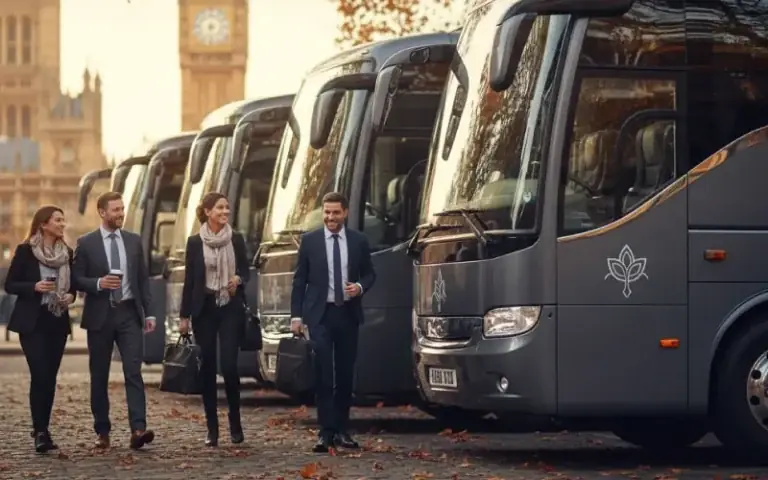
Corporate Group Coach Chartering: Pooling attendees into dedicated full-size motorcoaches or minibuses managed by centralized logistics coordinators. Trade-off: Rigid group departure schedules, balanced by unified arrival times and significant per-capita savings.
-
Autonomous and On-Demand Rideshare Hedging: Employing app-based transportation networks backed by pre-scheduled backup options. Trade-off: High exposure to surge pricing and geo-fenced pick-up zone delays, balanced by ultimate spontaneity.
-
Active Micro-Mobility and Walking Corridors: Utilizing pedestrian pathways, rented bicycles, or electric scooters positioned outside cordoned event zones. Trade-off: Physical exertion and weather vulnerability, balanced by complete independence from vehicular traffic jams.
Comparison of Event Travel Categories
| Transport Category | Primary Operational Focus | Typical Cost Profile | Congestion Vulnerability | Primary Strategic Benefit |
| Executive Chauffeur Fleets | VIP transfer & executive teams | High | Low (Pre-planned routing) | Absolute reliability & fixed pricing |
| High-Speed Rail Corridors | Intercity regional transit | Moderate | Low (Dedicated tracks) | High speed & traffic immunity |
| Dedicated Express Shuttles | High-volume venue ferrying | Low-Moderate | Moderate (Shared lanes) | Direct venue-to-hotel connectivity |
| Corporate Group Coaches | Synchronized team transit | Moderate | Moderate | Unified passenger arrival |
| On-Demand Ridesharing | Flexible individual transit | Variable (High Surge) | Severe (Curb gridlock) | Maximum scheduling spontaneity |
Realistic Decision Logic
When selecting among the best event travel options, planners and travelers must weigh asset cost against infrastructural vulnerability. If an event is hosted in a dense urban core with strict street closures and limited parking, relying on on-demand rideshare vehicles represents a critical failure point; surging demand will trigger exorbitant tariffs and extended wait times at blocked curbsides. In such environments, utilizing high-speed rail combined with short walking paths or pre-scheduled executive transfer services provides the necessary reliability. Conversely, for sprawling suburban trade parks with ample land area, dedicated group motorcoach charters or structured rental vehicle fleets deliver optimal efficiency.
Detailed Real-World Scenarios and Operational Dynamics
To understand how event travel architecture unfolds in practice under real-world conditions, consider four distinct field scenarios encountered by travelers and coordinators.
The Airport-to-Arena Gridlock
A corporate executive flies into a major metropolitan hub to attend a flagship industry convention downtown during a regional sports final.
-
Failure Mode: The executive relies on an unreserved on-demand rideshare from the airport curb, encountering a two-hour terminal queue and a 400% surge fare due to simultaneous flight arrivals and event traffic.
-
Second-Order Effect: The executive misses the keynote opening session, illustrating the necessity of pre-booking fixed-price private transfer options.
The Rail Bypass Success
A delegation of attendees travels between two major European financial centers hosting a synchronized multi-city cultural festival.
-
Failure Mode: None encountered; the group utilizes a high-speed intercity rail line, bypassing severe highway storms and accident-related motorway gridlock entirely.
-
Second-Order Effect: The delegation arrives relaxed, on schedule, and with a significantly lower carbon footprint, validating the resilience of rail corridors.
The Shuttle Bus Staging Failure
An event organizer coordinates fifty independent shuttle buses to ferry attendees from a remote parking satellite to an open-air music festival.
-
Failure Mode: The organizer fails to establish dedicated loading bay clearances, causing shuttle buses to become trapped in general patron traffic exiting the festival grounds.
-
Second-Order Effect: A three-hour bottleneck strands thousands of attendees at the venue gates, demonstrating the absolute need for protected curb access management.
The Corporate Coach Synchronization
A logistics manager coordinates three full-size motorcoaches to transport a visiting corporate team directly from their hotel to a secure convention center entrance.
-
Failure Mode: The coaches utilize pre-cleared venue credentialing, bypassing public security checkpoints and dropping passengers directly at the designated hospitality foyer.
-
Second-Order Effect: The entire team enters the venue in a coordinated, stress-free manner, showcasing the power of unified group coach allocation.
Planning, Cost, and Resource Allocation
Executing a disciplined strategy regarding the best event travel options requires balancing upfront financial investments against potential contingency reserves and time efficiencies.
Financial Dynamics and Cost Variability
| Expense Category | Estimated Budget Range (USD) | Cost Drivers & Variables |
| Pre-Booked Executive Sedan / SUV | $80 – $250 per transfer | Vehicle class, distance, airport toll surcharges |
| High-Speed Rail Ticket (Intercity) | $50 – $200 per passenger | Booking window, class of service, distance |
| Group Motorcoach Charter (Full Day) | $1,200 – $3,000 per bus | Fleet size, driver hours, regional labor rates |
| On-Demand Rideshare (Surge Rate) | $40 – $150 per trip | Local demand spikes, weather, distance |
Opportunity Costs and Resource Optimization
A frequent financial miscalculation in event mobility involves selecting the lowest upfront fare for individual transit segments without factoring in transfer friction, waiting times, and surge vulnerabilities. Shifting focus toward integrated, pre-booked transit packages—such as combining high-speed rail with pre-arranged executive terminal transfers—preserves productive time and eliminates catastrophic delay risks. Allocating resources toward structured contingency transport funds ensures absolute operational agility.
Tools, Strategies, and Support Systems
Successfully executing complex event itineraries requires an integrated suite of specialized digital tools, fleet management platforms, and support systems.
-
Real-Time Flight and Fleet Tracking Portals: Digital dashboards monitoring vehicle GPS positions, flight arrival statuses, and chauffeur communications.
-
Integrated Multimodal Journey Planners: Software combining rail timetables, municipal transit schedules, and walking routes into a single interface.
-
Dedicated Venue Curb Management Software: Digital booking systems organizing staging areas and arrival time slots for commercial transport fleets.
-
Corporate Travel Policy Enforcer Apps: Institutional platforms restricting employee bookings to pre-approved, high-safety transit categories.
-
Real-Time Traffic Telemetry Feeds: Government and private mapping APIs warning of accidents, road closures, and stadium exit gridlock.
-
Offline Digital Ticket and Voucher Wallets: Mobile repositories securing rail passes, private car reservation codes, and shuttle credentials without cellular dependency.
-
Automated Passenger Grouping Tools: Algorithmic systems clustering attendees arriving on overlapping flight windows into shared transfer vehicles.
-
Emergency Concierge Support Desks: 24/7 human-backed support systems managing immediate itinerary re-routing during transit disruptions.
Risk Landscape and Failure Modes
The risk profile of managing event transportation combines standard logistical hurdles with severe, compounding systemic vulnerabilities.
Compounding Risks in Event Mobility
-
Curb Access Gridlock Cascades: Unregulated vehicle pickups at venue exits create cascading traffic jams that block emergency lanes and trap pre-scheduled transport fleets.
-
Dynamic Surge Pricing Traps: Sudden spikes in regional demand paralyze individual travel budgets when relying entirely on unreserved on-demand rideshare networks.
-
Transfer Bottleneck Failures: Inadequate timing buffers between connecting modes (such as a delayed flight missing a fixed-schedule rail departure) invalidate entire travel itineraries.
-
Digital Connectivity Deadlocks: Cellular network overloads outside massive stadium venues prevent passengers from communicating with assigned drivers or accessing digital transit passes.
Governance, Maintenance, and Long-Term Adaptation
Preserving transit efficiency and logistical discipline across recurring annual events requires disciplined adherence to structured review cycles and continuous planning updates.
Monitoring and Review Cycles
Travel coordinators and institutional planners must execute structured pre-trip transit audits, real-time telemetry checks during the event, vehicle staging reviews, and post-event debrief analyses.
Layered Maintenance Checklist
-
Pre-Trip Fleet Confirmation: Verifying vehicle reservations, driver contact details, and flight tracking data twenty-four hours before departure.
-
Staging Area Verification: Confirming that private transfer vehicles have assigned loading zones and venue access credentials.
-
Contingency Backup Review: Establishing primary and secondary alternate routes in the event of major highway or rail disruptions.
-
Post-Event Expense Audit: Reconciling travel invoices, toll charges, and wait-time fees against initial budget parameters.
Measurement, Tracking, and Evaluation
Evaluating the success of event mobility strategies requires tracking both quantitative transit metrics and qualitative performance indicators.
-
Quantitative Metrics: On-time arrival percentages at venue gates, total itinerary cost variance against budget, average transfer wait times, and vehicle capacity utilization rates.
-
Qualitative Signals: Passenger comfort levels, reduction in transit-related stress, ease of curb navigation, and overall journey satisfaction.
-
Documentation Standards: Maintaining an exhaustive digital archive recording vehicle dispatch logs, transit receipts, delay incident reports, and post-event feedback ensures continuous refinement of future mobility plans.
Common Misconceptions and Oversimplifications
-
Myth: On-demand rideshare apps represent a foolproof transportation solution for large-scale events.Correction: Major events trigger severe geo-fencing, road closures, and extreme surge pricing that render rideshare apps unreliable and cost-prohibitive.
-
Myth: Booking the cheapest available individual transit option always yields the best overall travel value.Correction: Inefficient transfers, long waiting queues, and missed event schedules frequently outweigh minor upfront savings on individual tickets.
-
Myth: Public transit systems operate with standard capacity and headways during major international gatherings.Correction: Massive events require specialized express schedules, crowd-control gating, and route adjustments that demand advanced pre-planning.
-
Myth: Private chauffeur services are exclusively reserved for elite VIPs and do not make operational sense for group travel.Correction: Premium SUVs and structured fleet allocations frequently provide cost-effective, synchronized transit for families, small teams, and visiting executives.
-
Myth: Venue curb access is universally open and accommodating for all arriving vehicles.Correction: Event venues enforce strict commercial loading restrictions, requiring precise pre-planning and official staging credentials.
-
Myth: Digital travel vouchers and transit passes require zero offline backup preparation.Correction: Cellular network congestion outside crowded venues regularly prevents mobile apps from loading, making offline screenshot backups essential.
Ethical, Practical, and Contextual Considerations
Executing advanced transit strategies for major gatherings carries a profound practical and ethical responsibility. High-volume vehicular transport generates significant carbon emissions and strains municipal infrastructure in host cities. Planners and travelers who prioritize sustainable mobility options—such as high-speed intercity rail, electric vehicle transfers, and consolidated group motorcoach charters help mitigate congestion externalities and reduce environmental footprints. Furthermore, adhering to strict corporate duty-of-care standards ensures that guests and employees are protected from navigating unfamiliar, high-risk transit environments late at night.
Conclusion
The logistical orchestration, spatial planning, and modal integration required for mastering the best event travel options represent the ultimate convergence of transportation engineering, travel economics, project management, and risk mitigation. By moving past simplistic transit habits and confronting the rigorous realities of capacity compression, dynamic pricing, curb access governance, and multimodal synchronization, travelers and organizers can navigate major global gatherings with absolute confidence. Whether structuring mobility for international sports championships, corporate conventions, or cultural festivals, these critical transit frameworks demand a synthesis of analytical rigor, structural resilience, and an unyielding commitment to seamless mobility under shifting global conditions.